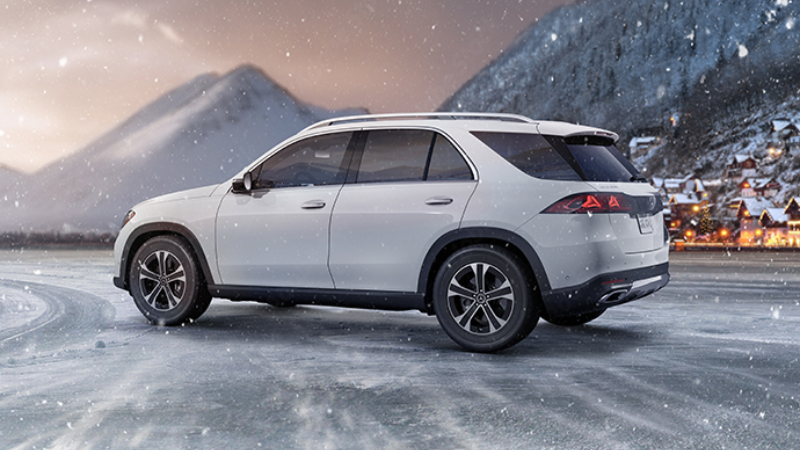

Mercedes-Benz Winter Tires or All-Weather Tires for Your SUV? This is a common question that our team at Mercedes-Benz of Burlington gets, especially this time of year. Choose dedicated winter tires for your Mercedes-Benz GLC or GLE if you regularly drive on packed snow, icy roads or streets that haven’t been treated. If most of your driving is on cleared pavement and you can wait out the worst of a storm, a set of all-weather tires with the three-peak mountain snowflake symbol may be the better year-round choice. At our Greater Boston, MA area Mercedes-Benz dealership, we suggest starting with one question: How much control do you have over when you leave? Two drivers can take the same Route 3 and I-95 interchange in Burlington and need different tires. One has to be on the road before sunrise. The other can wait for the roads to clear. That difference tells you more about which tires to buy than the SUV badge does. What’s the Difference Between Winter and All-Weather Tires? Dedicated winter tires use rubber compounds designed to stay flexible in cold conditions and tread patterns designed to grip snow. They make the strongest case when you routinely drive on packed snow or icy pavement. You’ll need to switch them out when the season changes, so include seasonal labor and storage in the cost. All-weather tires are designed to stay on the vehicle year-round. When comparing them, look for the three-peak mountain snowflake symbol, which shows that a tire met a standardized snow-traction requirement. That test measures traction under acceleration on snow. Compare independent wet-braking and ice test results separately if those conditions matter on your route. Tires with the same symbol can perform differently. Conventional all-season tires are another category you’ll encounter. If you’re unsure what came on your GLC or GLE, read the brand and model name from the sidewall and look up that exact tire. The factory equipment list is a starting point, especially if you bought your SUV pre-owned or have already replaced the original tires. Which Tires Make Sense for Your Burlington-area Commute? Think through the first and last mile of your typical trip. If you drive from Billerica into Burlington on Route 3, the highway might be the easiest part of the commute once it’s been treated. The stretch that matters could be the side street you turn out of before daylight or the ramp where you need to slow down and change direction at the same time. Choose dedicated winter tires if you have to drive on a fixed schedule. That could mean early shifts near Middlesex Turnpike, a drive from Lowell that starts before your neighborhood roads are clear or regular winter trips into New Hampshire. A steep driveway or a hill you use every day can also tip the decision if it routinely gets slick. Consider all-weather tires if your schedule is flexible. If you drive from Lexington or Winchester to Burlington mostly on treated roads and can postpone a trip when freezing rain moves in, a year-round set may suit you. You avoid seasonal swaps, and you can choose a specific tire based on how it handles the cold rain, wet pavement and occasional snow you actually encounter. Does 4MATIC® Change the Decision? Mercedes-Benz 4MATIC® all-wheel drive helps your SUV put power to the road as you accelerate. That can help when you’re pulling out of a snowy parking space or getting started on an incline. Your tires supply the grip you rely on when you slow down or turn. Think about driving up a slushy street and then coming back down it. The trip uphill tells you how well the SUV gets moving. The downhill trip asks a different question: Can the tires maintain grip as you slow for the turn at the bottom? If you regularly face that second situation, give braking and steering grip more weight when you compare tires. What Fits a Mercedes-Benz GLC or GLE? Start with the VIN and the tire sizes on both axles. A GLC and a GLE need separate fitment checks, and the model name alone may leave out details that matter, such as the wheel option or brake equipment. Check the driver’s door tire label, the owner’s manual and the markings on the tires currently installed. If the front and rear sizes differ, mention that when you ask for a quote. If you’re shopping for Mercedes-Benz winter tire packages, you have two basic options. - Keep your current wheels. Buy compatible winter tires and have them mounted and balanced on your existing wheels each season. This can be a practical choice if your current wheel sizes give you suitable tire options and you want to limit the upfront cost. - Buy a second set of wheels and tires. A complete set lets you change over mounted assemblies each season. Ask what the quote includes and confirm wheel clearance, tire load capacity and compatibility with the tire-pressure monitoring system. If you’re considering a smaller winter wheel, have the combination checked against your vehicle’s brake equipment before ordering. Compare the total cost over the winters you expect to own the SUV. A second set adds wheel costs upfront. Reusing your current wheels means paying to remount and balance tires at each changeover. Include storage if you’ll need it, and check the Mercedes-Benz of Burlington service and parts specials page before booking seasonal service. Mercedes-Benz Winter Tire FAQs. Can I install just two winter tires on my GLC or GLE? Use winter tires on all four wheels in the approved sizes for your SUV. Putting winter tires on only one axle can create an imbalance in grip when you brake or turn. If your vehicle uses different front and rear sizes, confirm the approved combination before ordering. When should I switch to winter tires in Greater Boston? Plan the changeover before you expect sustained cold or your first drive in snow or ice. If you have an early-season trip north or a commute that starts before dawn, use that date to work backward and schedule the swap. Can I use a winter wheel set from my previous Mercedes-Benz? Possibly. Have the wheel and tire specifications checked against the VIN and equipment of your current vehicle. A wheel can have the right diameter and still lack brake clearance or be paired with a tire that doesn’t meet the new SUV’s load requirements. What should I check after a seasonal wheel swap? Check the cold tire pressures for the approved setup and follow the owner’s manual instructions for the tire-pressure monitoring system. Keep the fitment information with your service records so you have it handy next season. Choose Based on the Trips You Need to Make. If snow and ice are part of your regular drive, dedicated winter tires are the stronger choice. If your trips are flexible and you spend most of the winter on cleared roads, compare all-weather tires that meet your SUV’s fitment requirements. Contact Mercedes-Benz of Burlington with your VIN and current front and rear tire sizes to ask which options fit your GLC or GLE. About Mercedes-Benz of Burlington. Mercedes-Benz of Burlington is located at 80 Cambridge Street in Burlington, Massachusetts. We serve drivers across Greater Boston with new Mercedes-Benz vehicles, pre-owned vehicles, and Mercedes-Benz service and parts.